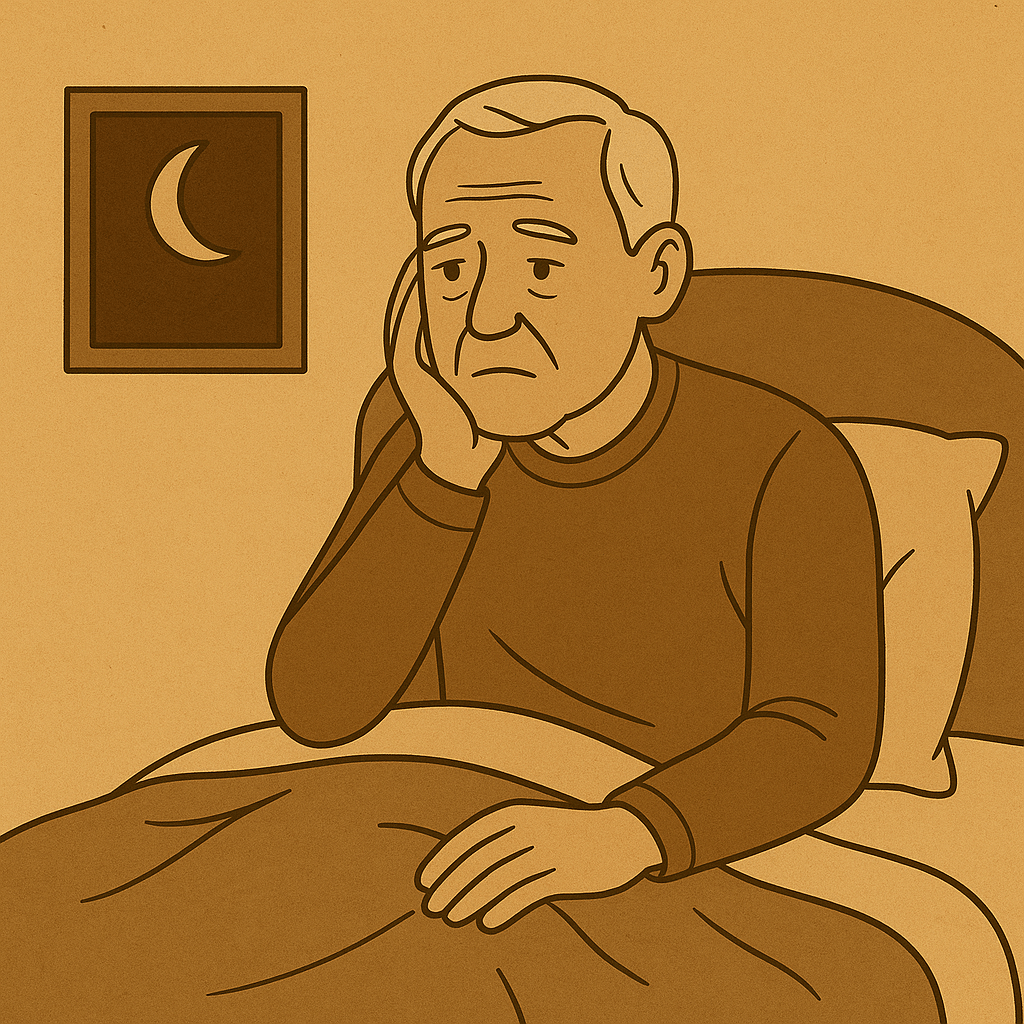
Grief can profoundly affect our ability to rest. Sleep is not only a physical need but a vital component of emotional and spiritual healing. Understanding why sleep disturbances occur during grief and learning ways to support rest can help ease this part of the mourning process.
I didn’t have routines growing up in my household, and my sleep patterns were very disrupted throughout my early adulthood. Now, I sleep very well, but that’s intentional. Over time, I’ve created routines that support and encourage restful sleep, many of which are included below. Still, I’ve experienced seasons of restlessness brought on by stress in my personal and professional life, by long stretches apart from my spouse, and in the difficult nights following the deaths of loved ones.
Why Grief May Affect Sleep
The Nervous System in Overdrive
Grief activates the body’s stress response. When someone you love dies, the brain interprets that loss as danger, an existential threat. The sympathetic nervous system (our fight-flight-freeze response) floods the body with cortisol and adrenaline. Even if you feel emotionally drained, your body may still be wired, restless, or hyper-vigilant, making it hard to fall or stay asleep. We are also often physiologically connected to our loved ones. This is especially true if we are with them on a daily basis. They help regulate our nervous system through their breathing, heart rate, scent, and sound. Even if they haven’t been physically present with us recently, our brain still holds the certainty of their presence in our lives, which provides a sense of safety and security that regulates our nervous system. As Mary Frances O’Connor, author of The Grieving Body, notes, our attachment systems are wired to expect the ongoing presence of loved ones. When that presence is suddenly gone, the brain’s regulatory pathways continue searching, leading to physiological and emotional dysregulation that affects sleep.
Cognitive Overload
The mind tries to make sense of the loss, replaying moments before, during, and after the death. This mental looping (What if I had…? Why did this happen? I can’t believe they’re gone!) is a form of cognitive processing, but it keeps the brain active at night. Dr. Alan Wolfelt refers to these ‘What ifs’ and ‘Whys’ as a form of protest, a natural and necessary expression of grief. Something in our life has been taken from us, and it feels wrong, bad, and unfair. So, we protest. It’s a human attempt to push back against the incomprehensible.
Emotional Waves and Nighttime Vulnerability
Nighttime magnifies feelings. Without the distractions of daily life, emotions that were suppressed during the day often surge up. Sadness, longing, guilt, anger, or even moments of peace may all emerge in waves. This emotional turbulence can make it difficult to fall asleep or stay asleep. Possibly add the fact that falling to sleep is the ultimate act of vulnerability.
Routine and Safety Cues
Grief often upends the sense of safety and rhythm that supports good sleep. If the person who died shared your bed or nighttime rituals, the absence can feel physically disorienting. Even if you didn’t live with them, grief changes routines, disrupting the body’s circadian rhythm. We might not have realized it, but the routines throughout our day built toward the routine of retiring for the night. Our daily rhythm provided signals to the body and brain that it was time to wind down and rest. When grief disrupts those patterns, it can feel impossible to return to that natural rhythm. The bedroom itself can become a place of association with loss rather than rest. This is why we often hear of widows or widowers sleeping in recliners after the loss of a spouse. It’s a way to avoid the stark absence in the bed and the painful reminders that come with it.
Physical Manifestations of Grief
Grief is embodied. It can cause muscle tension, chest tightness, headaches, and changes in appetite or digestion. As Mary Frances O’Connor discusses in The Grieving Body, nearly every part of our body is affected by grief. Her research has shown a correlation between grief and inflammation in the body, which can lead to physical ailments, fatigue, and is even associated with “brain fog” or “grief brain.”
The Existential Layer
Grief shakes our sense of meaning and permanence. Lying in bed, we are alone with thoughts of mortality and uncertainty. This awareness can bring fear or spiritual questioning, especially in the quiet dark hours. The very thing sleep requires is surrender. I would venture to say, that when one’s world feels unsafe, sleep is the ultimate act of vulnerability because it requires total surrender of control.
Hormonal and Neurological Shifts
Prolonged grief and stress can alter levels of serotonin, melatonin, and cortisol, which are the key regulators of mood and sleep. This can create a cycle: the less you sleep, the harder it is to regulate emotion, which in turn deepens both grief intensity and insomnia.
Supporting Sleep During Grief
Re-establish Routines and Rhythms
Consistency signals safety to the brain.
- Try to go to bed and wake up at roughly the same times each day.
- Regular meals, movement, and daylight help reset the body’s clock.
- Rituals, even small ones, like a cup of tea before bed, dimming lights, or reading something comforting, remind the body that it’s time to wind down.
We’ll never regain the exact same routines we once had because our loved one is gone. But we can create new rhythms that honor the absence while rebuilding safety and steadiness.
Create a Restful Environment
Grief changes how our spaces feel. Making the bedroom a sanctuary again takes time. Soften lighting, use calming colors, and keep the room cool. Rearranging the space or refreshing bedding can help create new associations with rest. White noise and sensory cues can also help. For example, I put lavender oil on my wrists before bed, and I listed to the sound of rainfall or waterfalls.
Calm the Body Before Bed
Grief lives in the body. Gentle stretching, yin yoga, or slow breathing can help shift from activation to rest. Try inhaling for four counts, holding for two, and exhaling for six. This calms the vagus nerve and quiets the stress response. Warm baths, massage, or comforting objects can further settle the body.
Weighted blankets can provide a sense of grounding and security by using gentle, evenly distributed pressure that mimics the feeling of being held or hugged. This deep pressure stimulation seems to help calm the nervous system, lower anxiety, and promote relaxation, making it easier to fall and stay asleep.
Release the Mind’s Overactivity
Before bed, give your thoughts a place to land. Write for ten minutes to release mental noise. You might ask: ‘What feels unfinished today?’ or ‘What do I want to hand over to rest tonight?’ A notepad beside the bed can help you release intrusive thoughts during the night. I often simply ask myself, “Is this a problem that can be solved right now?” or I picture myself in a peaceful setting. My go-to is a room in Puerto Vallarta with white flowing sheer curtains blowing in the wind.
Honor Emotional Energy
If tears come, allow them. Crying is a natural regulator and releases stress hormones. Light a candle, whisper a message to your person, or listen to a song that connects you. When emotion has a place to land, it’s less likely to keep you awake. In a 2018 article in Psychology Today, it was shared “that when people allow or encourage themselves to cry, it’s usually in the service of achieving catharsis.”
Limit Stimulation
Screens, including devices and television, caffeine, alcohol, and late social media disrupt sleep cycles. Replace scrolling with something rhythmic like soft music or breathwork. The goal isn’t to avoid emotion but to transition from external noise to internal quiet. My yoga instructor often refers to going from a state of “doing” to a state of “being.”
Seek Soothing, Not Sleep
When grief is raw, aiming for sleep can create pressure. Instead, aim for restfulness—lying quietly, breathing deeply, or listening to calm sounds. Rest itself is healing and invites sleep naturally.
Move Your Body & Spend Time in Nature
Exercise both physical and emotional healing during grief. Gentle movement helps release built-up tension, improves mood, and supports deeper rest at night. Regular walks, light stretching, or other forms of moderate activity can help regulate the nervous system and restore a sense of balance.
Spending time outdoors can be especially restorative. Many people have told me that nature is where they feel the most spiritual, religious, and peaceful, and I’ve found the same to be true. Simply being in fresh air—listening to birds, feeling sunlight, or walking near water—can help the body and mind reconnect to calm and safety.
If you spend any time with me, you’ll discover that yoga is my preferred form of exercise. Its combination of mindful movement and breathwork makes it a powerful practice for calming the body, quieting the mind, and preparing for more restful sleep. I take what I learn from yoga off the mat into my daily life. Even a few minutes of gentle poses or restorative stretching before bed can help the body unwind and ease into stillness. Restorative and Yin yoga are especially beneficial for those in grief, as their slow, supported postures help calm the nervous system and release emotional tension held in the body. You can often find a trauma-informed instructor, whose gentle and mindful approach creates a safe space for emotional healing and rest.
Grief and Sleep Resources
The resources below are not all directly related to sleep, but each offers something that can support rest and healing. Some explore how grief affects both the body and brain, while others teach mindfulness, a word that is often overused but, at its core, simply means being fully present and aware of whatever activity you are engaged in, whether that’s walking, breathing, or doing the dishes. Many of these books, tools, and practices also focus on understanding grief itself, which I find helps normalize our emotions, behaviors, and responses. Learning what is happening within both the brain and body, which are deeply connected, can bring comfort, insight, and a renewed sense of compassion toward yourself as you heal.
BOOKS
- It’s OK That You’re Not OK – Megan Devine
- How to Carry What Can’t Be Fixed journal– Megan Devine
- The Grieving Brain – Mary Frances O’Connor
- The Grieving Body – Mary Frances O’Connor
- Healing Your Grieving Body – Dr. Alan Wolfelt
PODCASTS/WEBSITES
- Calm – both an app and website (www.calm.com) for mindfulness and sleep support
- Good Mourning Podcast – honest grief conversations (www.goodmourning.com.au)
- All There Is – a podcast hosted by Anderson Cooper that explores the complex emotions of grief and loss. Found on Apple Podcasts, Spotify, and CNN.
- The Benefits of a Weighted Blanket – https://www.brownhealth.org/be-well/benefits-weighted-blanket
A Gentle Reminder
Sleep does not measure the depth or quality of your grieving. Some nights will be long and restless, others may bring unexpected peace. Finding moments of peace doesn’t mean forgetting or moving on. You are allowed to experience peace without guilt. The goal isn’t perfect sleep; it is caring for yourself tenderly enough that rest can find its way back to you.
 Brad McMasters, Grief Educator & Coach
Leave a comment