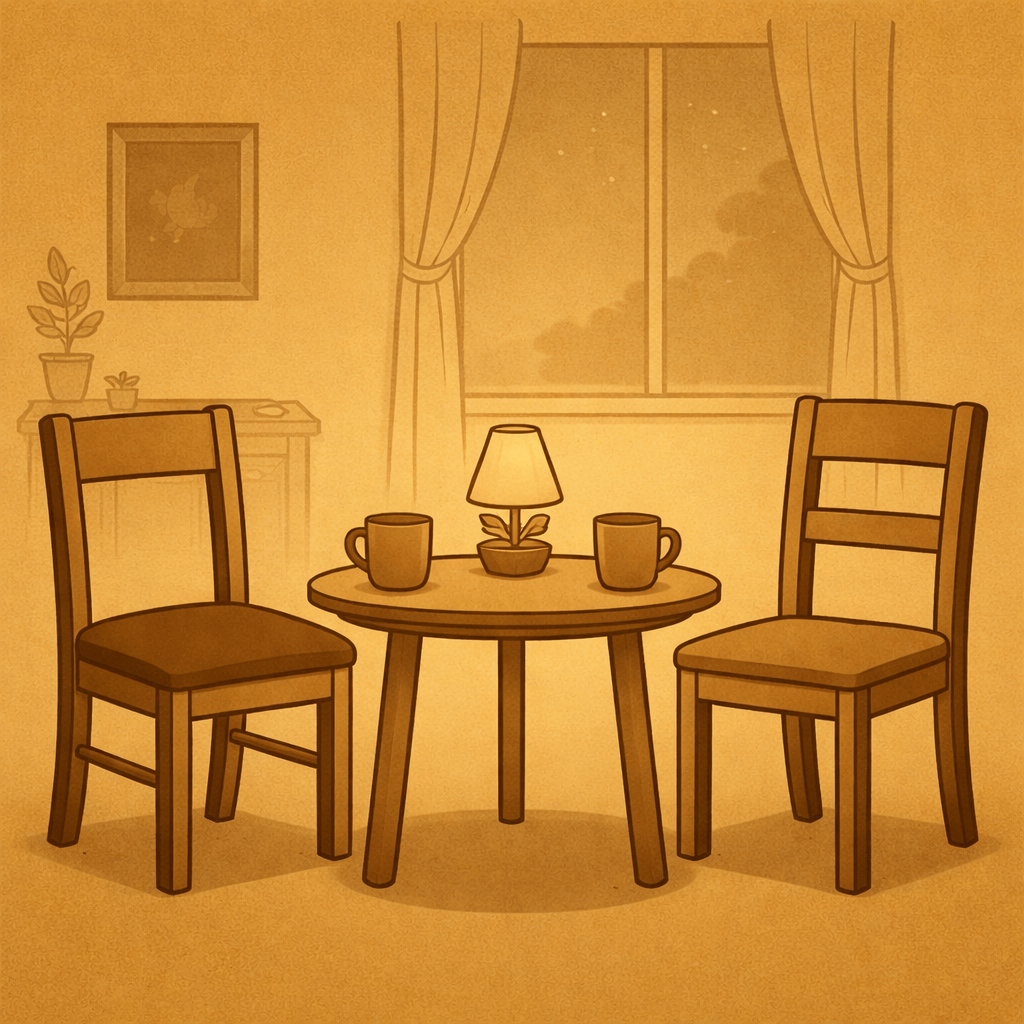
What I Hear From People Who Are Grieving
As a grief educator and coach, I often hear from people who have experienced loss that their relationships feel different, that some connections have faded, or that they feel abandoned. I always validate these experiences as real, painful, and deserving of compassion. We live in a grief-illiterate society, uncomfortable with death and grief, and when people pull away, it is often unintentional. What can feel like abandonment is sometimes better understood as relational confusion, people not knowing how to show up once grief has changed the rules of connection. I refer to this as one of the secondary losses that often accompanies grief.
Another reality is that grief changes us. It alters our identity, perspective, tolerance, and capacity. After a profound or sudden loss, many people turn inward as a survival response. Grief can narrow a person’s world not as a choice, but as a way to feel safer when the external world suddenly feels unpredictable or threatening. The inner world may feel safer, energy becomes protected, and misunderstandings or friction can feel threatening. What once might have been experienced as difference or curiosity can now register as danger or dismissal.
I Am Grieving
I am grieving, too.
I have not recently lost someone due to death. Instead, a very close friend experienced a profound and sudden loss. The grief that followed altered who they are and how our relationship functions. And so, I am grieving the version of our relationship that no longer exists.
In no way am I comparing my grief to theirs. Still, the reality is that I lost someone, too. I lost the person they used to be, and I have instinctively pulled back emotionally. I know now that this was not an act of abandonment, instead it was an acknowledgment that I no longer knew how to stay present in the same way.
I sat with my friend in their grief for three years with no expectations, accepting their emotions, experiences, and shifts in perception. Over time, however, I began to feel discomfort in our interactions. There was a growing imbalance in how we related to one another and a loss of the shared way of seeing the world we once held. I began to feel unvalidated, and in a relationship that once had no filters, I found myself carefully editing my thoughts and words. I felt the drive to pull away, and with that came immense confusion and guilt. Guilt often follows boundary-setting after loss, especially when compassion and self-preservation collide.
It took me a long time to name what I was experiencing. When I finally could, I realized it was grief, but quieter, rarely spoken of, and worthy of language.
The Losses That Happen Alongside Grief
There are parallel losses in grief. One person grieves who they lost, while others grieve who the bereaved person used to be. This is complex. There is no right or wrong here, and no one to blame. These parallel losses are not competing griefs, but concurrent ones. They are different experiences unfolding within the same moment of loss.
Sometimes we miss the “old version” of a person, not as criticism, but as a way of naming relational change. Grief changes people, and that former version does not return. I knew this reality from the first moment I learned of my friend’s loss because I had lived it before.
Grief does not only take people from us; it can also remove stabilizing roles within families and relationships, leaving systems struggling to rebalance. I once shared with renowned grief expert Dr. Alan Wolfelt that when my older brother died suddenly in a plane crash, I lost my mother in a way I did not yet understand. She was never the same after his death. Dr. Wolfelt referred to this poetically as her losing her “vital spark.” That loss showed up, for me, in the way my mother was no longer able to care outwardly for others as she once had. Once a mother who gave her whole heart to her children and a social worker who wanted to nurture the world, she turned inward. I know now that it was safer for her to do so. The world had become a frightening place, and she could no longer trust it.
Identity change after loss is necessary and unavoidable. In fact, it is one of Dr. Wolfelt’s Six Needs of Mourning. What we speak about far less often is that these changes also have relational consequences. Creating distance in response to someone who has changed can also be understandable. Both can coexist without anyone being wrong.
I have also experienced the other side of this complicated truth. When my mother died, I realized that she and my spouse created a balance in my life. My mother was my consummate cheerleader, supporting me in my decisions and endeavors. My spouse was my consummate critic, challenging me to analyze my choices in ways meant to help me grow. When my mother died, I lost the cheerleader and was left only with the critic. I had changed. I was more vulnerable and reactive to criticism, and my spouse could no longer communicate with me in the same way he had before. Our relationship was forever altered.
These experiences have led me to reflect more broadly on how grief changes us. If you are grieving a death, or have in the past, consider your own grief experience. How have you changed, not just emotionally, but in how you fundamentally approach and perceive life? How might others have been affected by those changes?
Not all relationships can survive a post-loss identity shift, and that is not a failure. Naming what you are experiencing, whether you are grieving a death, grieving the old version of someone you love, or grieving a relationship that has been permanently changed, may gently bring relief. Some relationships end, some are permanent changed, and others pause… waiting for capacities, identities, and circumstances to shift again.
Closing Reflection
This is not about blame. It is an invitation to release guilt. Guilt for those who are grieving deeply, and for those who find themselves struggling to stay connected. It is about honesty and compassion on all sides. We must honor both the depth of grief, and the ripple effects it has on relationships. A more mature understanding of grief allows space for complexity, rather than forcing experiences into simple narratives of right and wrong. The ability to honor how grief changes someone while also acknowledging when those changes make a relationship harder to sustain is a difficult but meaningful truth. Perhaps holding these truths gently, rather than resolving them, is one way we begin to make room for greater compassion. Holding this complexity can help us move toward greater understanding, no matter which side of grief we find ourselves on. Understanding does not require agreement, only a willingness to acknowledge that grief reshapes people, relationships, and the spaces between them.
 Brad McMasters, Grief Educator & Coach
Leave a comment